Single-Column Screen Changer for Fluoroplastic Extrusion Production Line
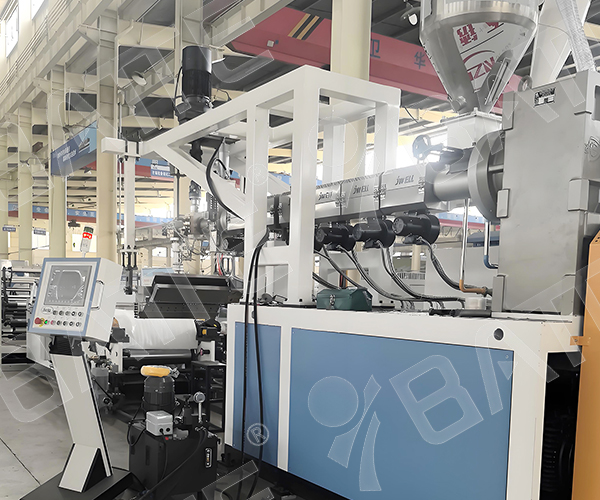
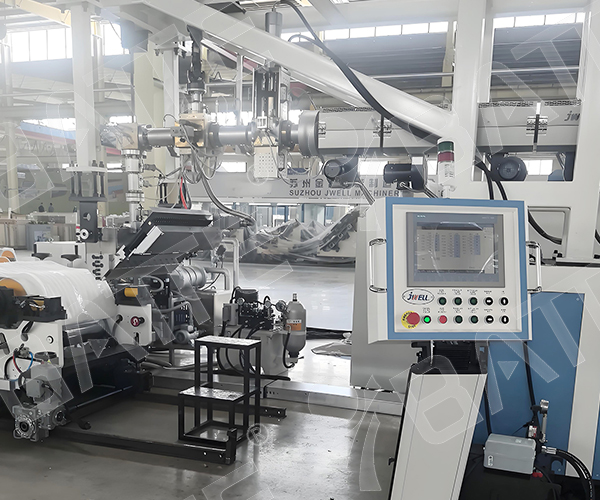
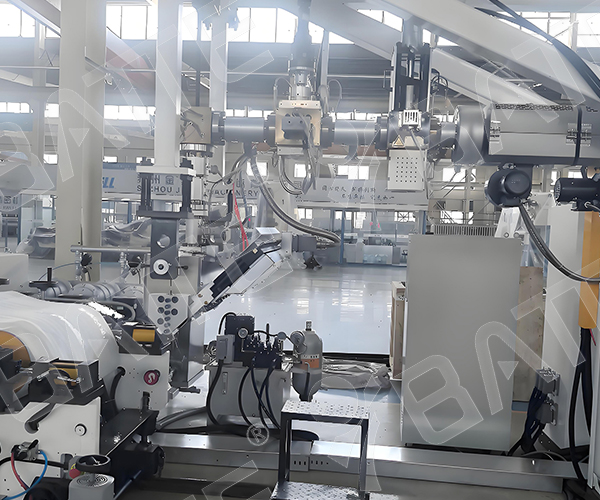
Fluoroplastics (such as PTFE, FEP, PFA, ETFE, etc.) feature high melting points, high viscosity, and strong corrosion resistance. During extrusion, they readily produce gels and impurities, imposing stringent demands on the screen changer's high-temperature resistance, corrosion resistance, sealing performance, and screen-changing efficiency. The single-column screen changer offers compact design, user-friendly operation, rapid screen changes, and minimal melt pressure fluctuations. These advantages make it well-suited for the operational demands of fluoroplastic extrusion lines producing items like pipes, cable insulation layers, films, and rods.
High-Temperature Resistance
Fluoroplastics exhibit a wide processing temperature range (e.g., FEP: 350–390°C, PFA: 360–400°C). Screen changer cavities, valve cores, and screens must utilize high-temperature alloy materials (e.g., Hastelloy C-276, Inconel 625) to ensure long-term resistance to deformation and oxidation at elevated temperatures, preventing metal ion contamination of the melt.
Corrosion Resistance and Anti-Adhesion
Fluoroplastic melts exhibit strong adhesion to metal surfaces, while fluorinated gases readily corrode ordinary steel. Screen changer inner walls require hard anodizing, PTFE coating, or ceramic coating to reduce melt adhesion and prevent cavity leakage caused by corrosion.
High-Pressure Sealing Design
Fluoroplastic melts exhibit high viscosity (low melt index), with extrusion pressures reaching 30–80 MPa. Single-column screen changers require double-ended mechanical seals or metal hard seals, paired with high-temperature sealing components (e.g., polyimide PI material), to eliminate melt leakage and air ingress during screen changes (preventing fluoroplastic melt oxidation and decomposition).
Rapid Screen Change with Low Pressure Fluctuation
Fluoroplastics exhibit poor thermal stability and decompose when exposed to high temperatures for extended periods (releasing toxic hydrogen fluoride gas). Single-column screen changers must achieve rapid screen switching within 10–30 seconds. Valve core actuation employs hydraulic cylinders + servo control to ensure melt pressure fluctuations ≤5% during screen changes, preventing dimensional deviations and surface defects in extruded products.
Optimized Screen Structure
Fluoroplastic extrusion requires trapping gel particles and carbonized impurities. Screens should utilize multi-layer sintered metal mesh (50–150μm aperture) or wedge wire filter elements (coarser outer layer, finer inner layer) to enhance contaminant retention capacity. Screen support frames must be reinforced for rigidity to prevent deformation or rupture under high pressure.
Summary of Application Advantages
Meets the high-temperature, high-pressure, and highly corrosive extrusion conditions of fluoroplastics, ensuring melt purity and product quality;
Quick screen change design reduces high-temperature melt residence time, lowers decomposition risk, and boosts production efficiency;
Compact structure with minimal footprint, accommodating the precision layout requirements of fluoroplastic production lines;
Easy operation and maintenance, reducing labor costs and equipment downtime.
Email: sale@meltpump.com
WhatsApp: +86 158 3833 1071