How to Choose a Screen Changer for Plastic Pelletizers: A Process-Specific Guide
In plastic pelletizing, the screen changer is the unsung hero that safeguards product quality and production efficiency. Acting as a critical filtration barrier between extruders and dies, it removes impurities like metal shavings, unmolten particles, and contaminants—reducing defect rates by over 90% and cutting unplanned downtime by 70% . However, there’s no one-size-fits-all solution: the right screen changer depends entirely on your pelletizing process. With four dominant technologies in the market—underwater pelletizing, water ring pelletizing, strand pelletizing, and recycled material pelletizing (high-impurity)—we break down the key selection criteria to maximize your ROI.
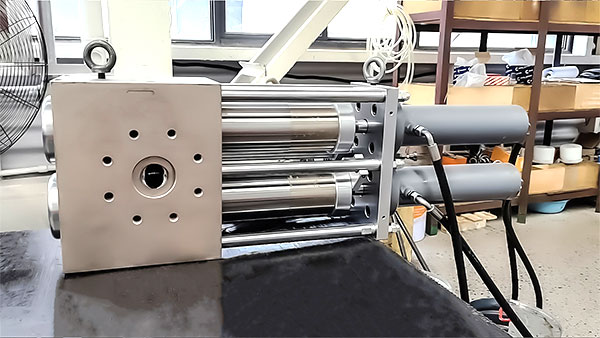
1. Underwater Pelletizing: Prioritize Pressure Stability & Continuous Operation
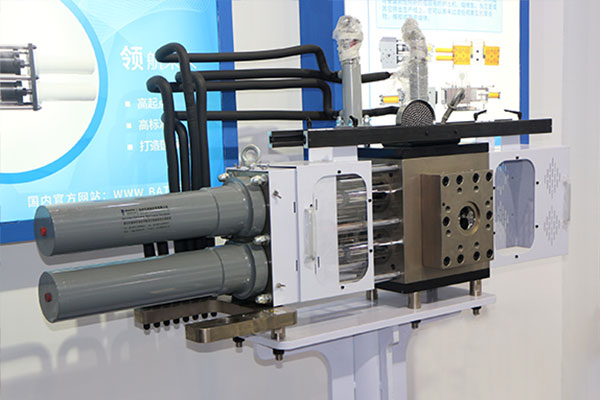
Underwater pelletizing systems operate at high pressures (up to 20MPa) and demand 24/7 continuous production, making pressure stability non-negotiable . Even minor pressure fluctuations during screen changes can cause uneven particle sizes or tailing, ruining batches. Recommended Type: Dual-column continuous screen changers or dual-plate double-station models . These designs feature precision hydraulic actuation, completing screen swaps in 0.3-1 second with pressure fluctuation . The dual-column structure offers a large filtration area (150-800 cm²) and rigid construction, ideal for high-viscosity materials like PET or glass fiber-reinforced PP . For large-scale operations (500-1500 kg/h), opt for models with expanded filtration areas (up to 2500 cm²) to handle high throughputs .
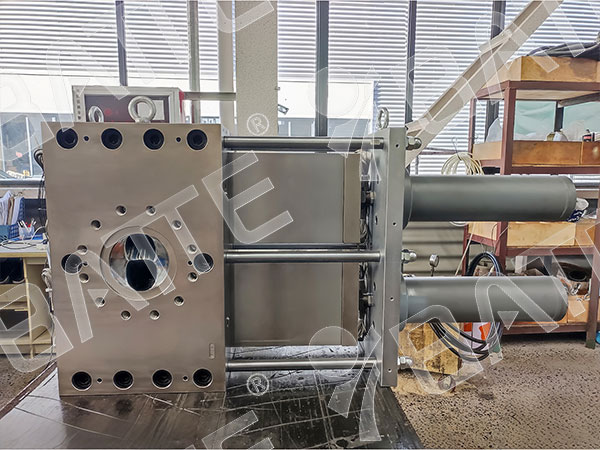
2. Water Ring Pelletizing: Balance Performance & Cost-Effectiveness
Water-ring pelletizing systems operate at lower pressures than underwater pelletizing systems, but they also require uninterrupted production. This process is widely used in the PP, PE, and general-purpose plastics sectors, where striking a balance between efficiency and cost-effectiveness is critical. Recommended models: dual-column/continuous-plate screen changers or high-performance single-plate dual-station models (SE-2C series). These systems feature hydraulic automatic switching (0.5–2 seconds) without the need to shut down, thereby avoiding material waste caused by process interruptions. We recommend selecting models with a filtration area of 100–500 cm² that are compatible with 20–300 mesh screens to accommodate varying material purity levels. For medium-scale production (100–500 kg/h), this selection achieves a perfect balance between capital investment and operational reliability.
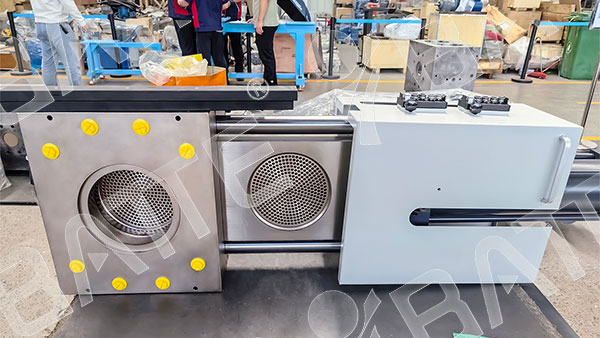
3. Strand Pelletizing: Emphasize Affordability & Practicality
Strand pelletizing is the most common and cost-effective process, with relatively low sensitivity to pressure fluctuations. It’s ideal for small-to-medium batches of general plastics, where brief production pauses are acceptable. Recommended Type: Single-plate double-station screen changers or single-column dual-station models. These manual or semi-automatic systems are compact, easy to install, and budget-friendly—perfect for small businesses . While they may require short downtime for screen changes, their simplicity reduces maintenance costs. For enhanced efficiency, choose hydraulic-assisted models that cut screen replacement time to 2-5 seconds, minimizing scrap . Ensure compatibility with your extruder’s output (10-300 kg/h) and material viscosity to avoid flow restrictions.
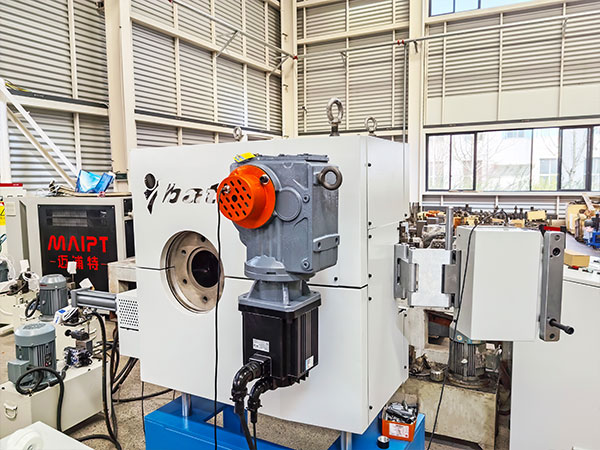
4. Recycled Material Pelletizing (High-Impurity): Focus on Long Service Life & Self-Cleaning
Pelletizing of Recycled Materials (High Impurity Content): Focus on long service life and self-cleaning capabilities Recycled plastic feedstock (such as bottle flakes and film scraps) represents a “worst-case scenario” with high impurity levels; contaminants such as sand, labels, and mixed plastics can cause frequent screen clogging. Recommended Models: Dual-column, four-station backflush screen changer or screenless filter. The backflush model enables online cleaning via reverse melt flow, extending screen life by 3–5 times and reducing replacement costs. For extreme cases, screenless filters use mechanical debris removal to completely eliminate the need for screens, making them particularly suitable for the recycling of heavily contaminated ABS or PVC. High-capacity recycling lines (up to 1,500 kg/h) can utilize dual-stage automatic laser filters, which offer filtration precision of 80–800 microns and self-cleaning capabilities.
Key Selection Tips Beyond Process
Material Compatibility: High-viscosity engineering plastics require smooth flow channels to avoid shear damage—opt for curved or oblong filter designs .
Output Matching: Choose filtration area based on throughput (e.g., 450-1200 kg/h for 400-1200 cm² filtration area) .
Automation Level: Large-scale lines (≥500 kg/h) benefit from fully automatic systems with pressure-sensing triggers, while small batches can use manual models to save costs
By aligning your screen changer with your pelletizing process and material needs, you’ll not only improve product quality but also reduce operational costs by 15-30% . Whether retrofitting an existing line or building a new one, the right screen changer is an investment that pays dividends in efficiency, reliability, and profitability.
Email: sale@meltpump.com
WhatsApp: +86 158 3833 1071